
Importance of Sharepoint in Banking Industry

The banking and financial sector is undergoing rapid digital transformation, making secure collaboration and efficient information management more important than ever. A well-designed SharePoint intranet is pivotal for banks and financial institutions to centralize documents, enforce compliance, and streamline operations. As a Microsoft enterprise platform, Microsoft Share Point offers a robust foundation for building a […]
AI in Software Development: 2026 Trends and Insights

AI is rapidly transforming the software development landscape. Once an experimental tool, AI is now embedded in almost every stage of the development lifecycle – from planning and coding to testing and deployment. Recent surveys show an industry-wide “shift from exploration to accountability”, as teams move beyond pilot projects to mature AI-driven processes. In fact, […]
Web 4.0 in Bangladesh: Innovative AR/VR & Metaverse Business

Web 4.0 is redefining how businesses in Bangladesh connect, create, and grow. The digital world is entering its next major chapter: Web 4.0. If Web 2.0 gave us social media and e-commerce, and Web 3.0 introduced decentralization and blockchain, Web 4.0 takes things further by blending the physical and digital realms through immersive technologies such […]
Can Low Code Platforms Transform Mobile App Development?

Mobile app demand is soaring, but traditional development can be slow and costly. In contrast, low code development platforms offer drag-and-drop interfaces and pre-built modules to accelerate app creation. Gartner predicts that by 2025, 70% of new applications will be built on low-code/no-code tools. Microsoft even notes that leading low-code platforms are “mobile-first” and automatically […]
Multicloud vs Hybrid Cloud: What Should Bangladesh SMEs Choose in 2026?
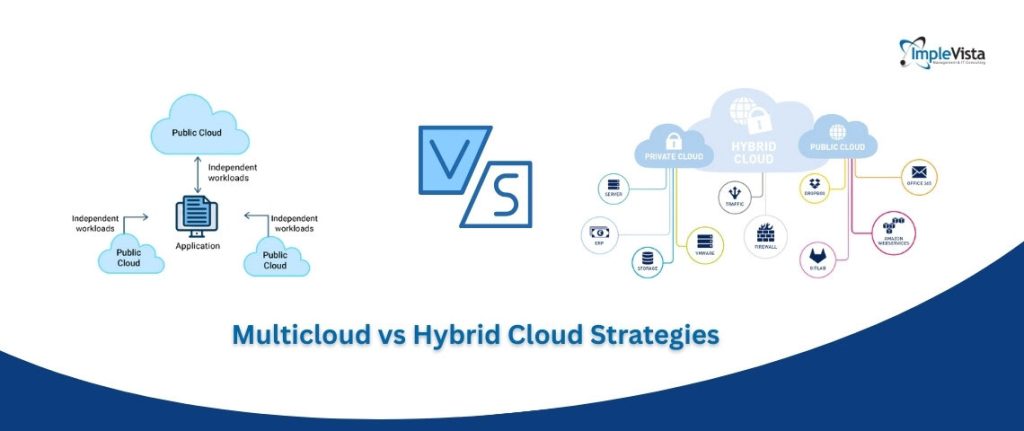
Cloud computing has revolutionized how businesses operate, and small and medium enterprises (SMEs) in Bangladesh are catching up fast. Companies in Dhaka and beyond are leveraging cloud applications to enhance customer experiences, drive efficiency, and unlock new revenue. However, with multiple cloud deployment models emerging, many SMEs face a key question: should we go with […]
Cross-Platform Mobile App Development: Flutter vs React Native

Cross-platform mobile app development is increasingly popular for quickly delivering apps on both Android and iOS from a single codebase. According to industry surveys, Flutter and React Native dominate this space – a 2021 Statista poll found 42% of developers preferred Flutter and 38% chose React Native. Even a recent StackOverflow developer survey shows nearly […]
DevSecOps: Integrating Security into Dev Workflows
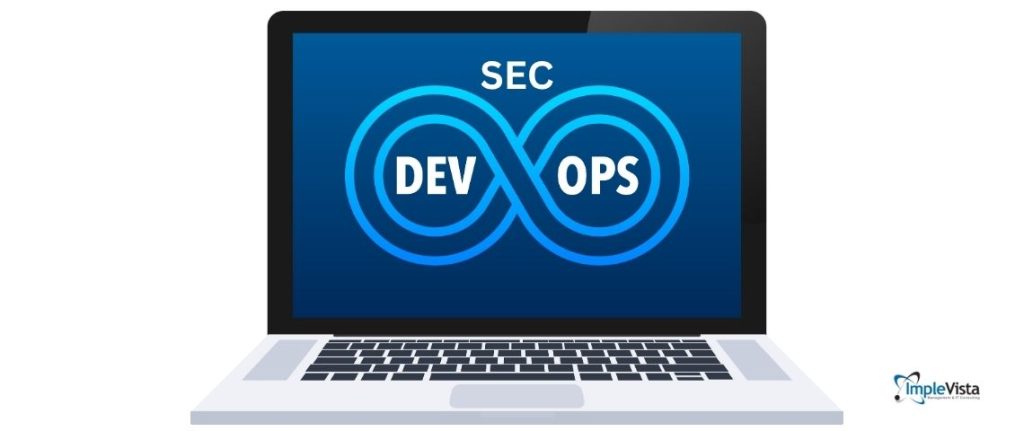
DevSecOps is the practice of integrating security deeply into development and operations workflows. Instead of treating security as an afterthought, DevSecOps embeds automated tests, scans, and code reviews throughout the software lifecycle. This “shift-left” approach means developers and engineers catch vulnerabilities early – during design, coding, and build – rather than waiting until deployment. Nearly […]
Implementing DevOps with CI/CD for Faster Delivery
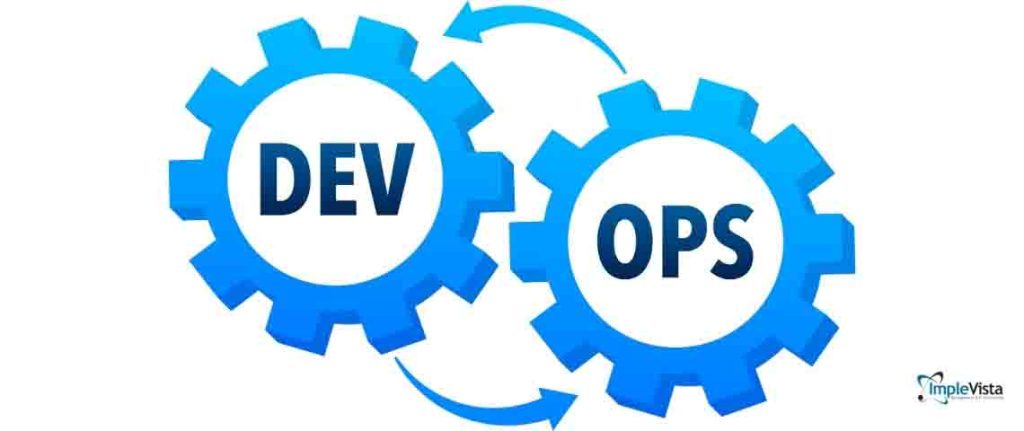
DevOps is the modern software culture that unites development (Dev) and operations (Ops) into a seamless workflow. It emphasizes automation, collaboration, and continuous improvement to speed up software delivery. Today, DevOps is essentially an industry standard: recent research finds that about 83% of developers engage in DevOps practices, reflecting a broad shift toward integrated, automated […]
AI-Powered Applications: Machine Learning Integration

Modern organizations are rapidly embedding AI power into custom software. In fact, recent industry surveys show that 73% of technology leaders have made expanding AI use their top priority, and by 2025 about 75% of companies will be already applying AI in development workflows. These trends underscore the urgency of adding machine learning features—such as […]
SaaS Development: Building Subscription-Based Apps
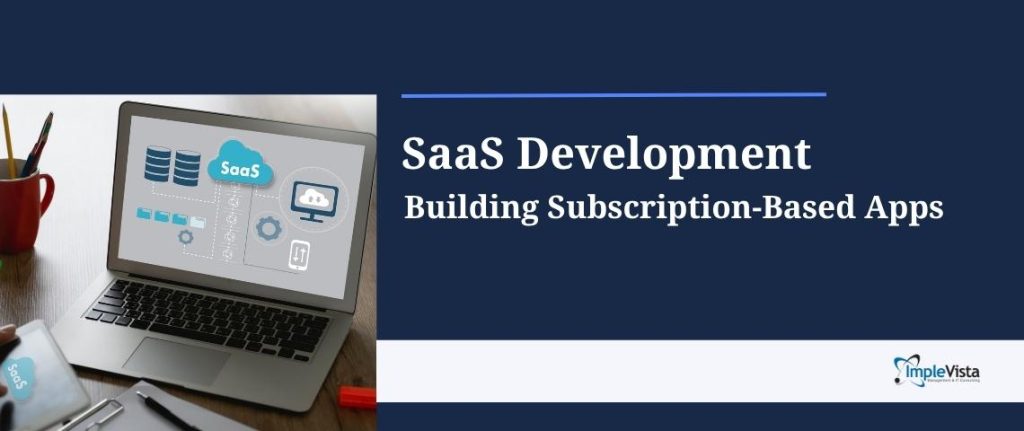
Software as a Service (SaaS) refers to cloud-based software delivered over the Internet on a subscription basis. Unlike traditional installed applications, SaaS apps run on remote servers (often in the public cloud) and users access them via web browsers or mobile interfaces. Customers pay a recurring fee (monthly, yearly, or usage-based) rather than a large […]