

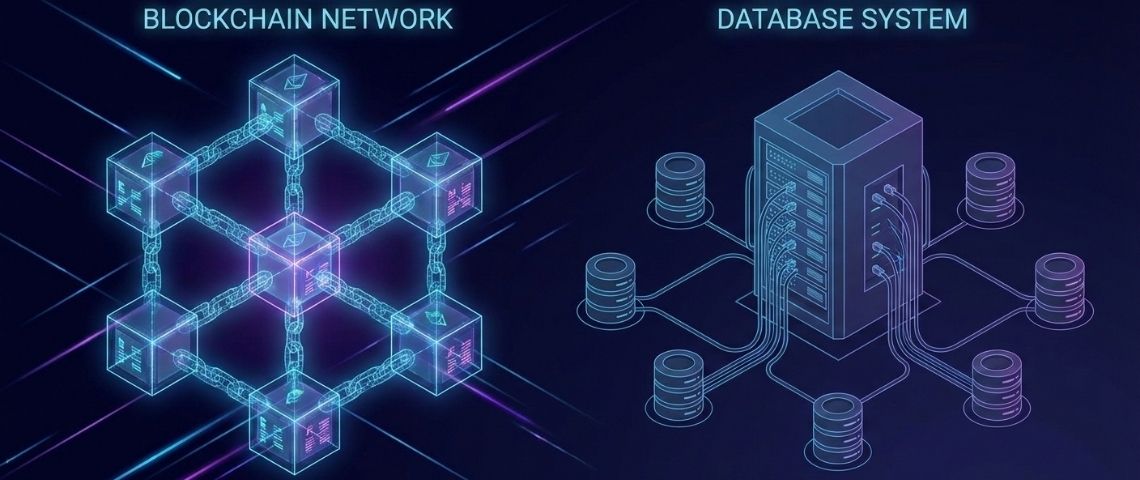
Blockchain technology has emerged as a revolutionary force in the digital world. It employs a distributed ledger system in which data is recorded in linked blocks across a network of computers. Unlike traditional databases, blockchain “does not rely on a central authority”; instead, each node in the network holds a copy of the ledger, and consensus mechanisms validate each new block. Once added, transactions are encrypted and effectively immutable, giving every participant a tamper-resistant audit trail.
Industry leaders agree that this decentralized technology is fundamental to digital trust and transformation – as IBM notes, blockchain will play “a vital role in the digital transformation strategy for enterprises”. In the sections below, we’ll explore how blockchain technology’s security, transparency, and innovation are being harnessed across industries, the concrete benefits it offers businesses, and what the future holds for this groundbreaking innovation.
Key Components: Decentralization, Consensus, and Data Integrity
At its core, blockchain is built on decentralization. Instead of a single server controlling data, every participant (node) in a blockchain network stores a copy of the entire ledger. When a new transaction occurs, the network reaches agreement through a consensus algorithm. This could be Proof-of-Work (used by Bitcoin) or Proof-of-Stake (used by Ethereum 2.0) among others. Each new block of transactions contains a cryptographic hash of the previous block, chaining them together.
This design makes the chain nearly impossible to tamper with: changing any block would break the hash links and require controlling the majority of the network. As one Implevista analysis notes, blockchain “utilises consensus algorithms, such as Proof of Work or Proof of Stake, to validate entries, thereby minimising fraud and errors”.
In practice, this means blockchain can be one of the most secure methods for storing and verifying data. By distributing trust among multiple parties and cryptographically linking records, blockchain ensures data integrity and a single source of truth, which is ideal for auditability and compliance.

Role of Blockchain in Digital Transformation
Blockchain is no longer just a niche technology – it’s a core driver of digital transformation. Enterprises worldwide are integrating blockchain into their modernization strategies. For example, IBM highlights that its blockchain platform will “play a key role in ushering enterprises into the era of digital transformation”. By linking ledgers across supply chains and platforms, blockchain builds new digital trust: around 30% of manufacturers and retailers globally are expected to have built “digital trust” by using blockchain to trace their supply chains.
In Bangladesh and beyond, software firms recognize blockchain as a fintech enabler and supply-chain solution. A recent industry report found that Fortune 100 companies increased blockchain initiatives by 39% year-over-year, and 56% of Fortune 500 firms are working on on-chain projects, indicating massive corporate interest. By automating verification and eliminating intermediaries, blockchain underpins innovative business models (like decentralized finance and shared ledgers for consortia) that are reshaping entire industries.
Benefits of Blockchain Technology for Businesses
Blockchain delivers a range of tangible benefits to organizations. Key advantages include:
- Enhanced Security and Data Integrity: Blockchain records are cryptographically secured. Each transaction is encrypted and linked to the previous one, so once data is written it cannot easily be altered. This tamper-resistant design prevents fraud and unauthorized changes, providing businesses with a verifiable audit trail of every action.
- Improved Transparency and Trust: All transactions on a blockchain are visible (to authorized participants) and time-stamped. This creates a single source of truth, reducing disputes and inconsistencies. For businesses, this means partners and customers can independently verify records. The increased transparency builds trust: as one source explains, blockchain ensures that businesses have “accurate and reliable information—ideal for audits, compliance, and reporting”.
- Cost Savings and Efficiency: By cutting out middlemen, blockchain can streamline processes and save money. For example, blockchain-based cross-border payments settle in seconds instead of 3–5 days, drastically reducing transaction times and fees. Smart contracts (self-executing digital agreements) further boost efficiency by automating business workflows. This removes paperwork and reconciliation steps. In total, companies can operate faster and leaner with blockchain-driven automation.
- Fraud Prevention: Because blockchain records are immutable, it’s a powerful anti-fraud tool. Organizations can permanently track transactions and catch tampering immediately. Cryptographic security means only valid transactions are accepted, making it very difficult to counterfeit data. Major banks and insurers are adopting blockchain to harden their systems against fraud, taking advantage of this inherent protection.
- Decentralized Control and Resilience: With no single point of failure, blockchain is inherently resilient. Copies of the ledger exist on many nodes, so even if some go offline or are attacked, the network remains operational. This distributed nature also means no single organization owns all the data; instead, trust is shared across the consortium. For businesses, this translates to higher uptime and fault tolerance.
- Automated Smart Contracts: Blockchain enables self-executing contracts that run exactly as programmed. For instance, when conditions (like delivery confirmation or payment receipt) are met, funds or approvals are automatically released. This eliminates manual intervention, reduces errors, and speeds up transactions. Industries such as supply chain and insurance already use smart contracts to automate claims and shipments.
Each of these benefits shows why companies view blockchain technology as a strategic asset. It not only reduces costs and streamlines operations, but also creates new forms of value (for example, by building cryptographic trust where none existed before).

How Blockchain Improves Security and Transparency
Blockchain’s inherent design greatly enhances digital security and transparency. Each block is secured by strong cryptographic hashing and linked immutably to the next, so altering any transaction would break the entire chain. All participants can verify these records, which creates a single, shared source of truth. IBM emphasizes that blockchain’s encryption is “virtually tamper-proof,” providing an unmatched level of security.
Because every transaction is timestamped and widely distributed, unauthorized changes are nearly impossible: hackers would need to rewrite history across the entire network simultaneously. These features together make blockchain a powerful tool for combating fraud and ensuring data integrity. In practice, companies use blockchain to secure everything from voting systems and identity networks to IoT device communications, because the technology guarantees that once data is recorded it cannot be silently manipulated.
Real-World Applications of Blockchain Technology
Blockchain’s impact is already visible across many industries. Key applications include:
- Financial Services & Payments: Blockchain is transforming banking and fintech by enabling peer-to-peer transactions and new financial products. Cryptocurrencies and Decentralized Finance (DeFi) protocols allow lending, trading, and payments without traditional banks. For example, blockchain-based cross-border payments settle in seconds (instead of days). Major institutions and payment networks (e.g. Ripple, JPMorgan, HSBC) are implementing blockchain solutions for trade finance and remittances, rethinking how money moves globally.
- Supply Chain & Logistics: Companies use blockchain to trace and verify goods through complex supply chains. An immutable ledger records each movement of an asset, helping prevent errors and fraud. IBM’s Food Trust network is a prime example: it logs every transaction “from farm to table,” providing a permanent, tamper-proof record that ensures the authenticity and safety of food products. Similarly, other platforms use blockchain to allow consumers to verify product origins, so all parties in the chain see the same data. This transparency reduces counterfeit goods and improves trust between suppliers and customers.
- Digital Identity & Cybersecurity: Blockchain offers a secure way to manage identity. Users can store and control credentials on a decentralized network, deciding who gets access. Protocols like Civic and Sovrin let individuals verify their identity without revealing private details. In turn, service providers can trust this cryptographic verification. Blockchains also enhance cybersecurity by providing an indelible audit trail of transactions and login events. Because records are distributed and linked, any unauthorized access would stand out on the ledger, helping organizations quickly detect and respond to attacks. This approach can prevent identity theft and phishing by giving control of personal data back to users.
- Healthcare & Pharmaceuticals: In healthcare, blockchain improves the integrity of medical records and drug supply chains. Patient records can be shared securely among authorized providers, maintaining privacy while ensuring consistency. For pharmaceuticals, IBM collaborated with Sonoco to track lifesaving medications through the supply chain using blockchain. This system records conditions like temperature and handling data, creating trusted, accurate data about each shipment. The result is fewer counterfeit drugs and better compliance with safety regulations, ultimately protecting patient health.
- Government & Public Sector: Governments and nonprofits are piloting blockchain to boost transparency and efficiency. The World Bank’s “FundsChain” platform, for example, logs each project dollar on a secure blockchain ledger for all stakeholders to see. According to the World Bank, this project “greatly enhanced… efficiency, transparency, and accountability” of fund management. Other use cases include land registration systems (to prevent title fraud), grant/aid tracking, and even blockchain-based voting systems to ensure tamper-proof elections. By making public data auditable and tamper-resistant, blockchain helps institutions earn citizen trust and reduce corruption.
These examples illustrate just a few of blockchain’s many applications. From finance and supply chains to healthcare and government, the technology is already revolutionizing operations by embedding trust and transparency at the data layer.
The Future of Blockchain Technology and Web3
Looking ahead, blockchain’s influence is only set to grow. The technology underpins the emerging Web3 vision: a decentralized internet where users control their own data and digital identities. In this future, blockchain’s distributed ledger creates a “trustless, permissionless” environment key to Web3, meaning no central gatekeepers and direct ownership of digital assets.
Analysts project explosive growth: global spending on blockchain solutions is expected to hit $19 billion by 2024. Innovations like layer-2 scaling, sharding, and cross-chain interoperability are maturing, allowing blockchains to handle more users and workloads. Many real-world trends point to blockchain’s bright future. For example, decentralized finance (DeFi) already enables billions in loans and trades on smart contracts. Enterprises are expanding pilots into production: roughly half of Fortune 500 companies report active blockchain projects.
Other areas like tokenized assets (e.g. property, art, loyalty points) and Central Bank Digital Currencies (CBDCs) are under development. As more blockchains emerge (public and private), we expect a blossoming of dApps and digital services, from metaverse platforms to next-generation IoT networks. In short, blockchain technology will continue to be a catalyst for digital innovation. By 2025 and beyond, it will likely be woven into everyday services – much like the internet itself – transforming how we store value, share data, and establish trust online.

Blockchain technology is redefining what’s possible in the digital world. Its combination of decentralization, cryptographic security, and transparency offers businesses a new foundation for digital trust. Companies across finance, supply chain, healthcare, and more are already unlocking its benefits – from faster transactions and cost savings to fraud reduction and auditability. As we’ve seen, real-world applications continue to expand, and the future promises even more innovation with Web3, DeFi, and enterprise blockchain solutions.
To stay ahead, organizations should begin exploring how blockchain can fit into their strategies. Implevista offers expertise in blockchain development and digital transformation services. Contact Implevista to discuss custom blockchain solutions, or start a project with our experts today.
You can also explore our blog for deeper insights – for example, see Implevista’s “Blockchain for Business: Top Use Cases & Benefits” for more details on practical applications. Don’t forget to subscribe to the Implevista blog for the latest updates on blockchain innovation, or check out related posts on data security and fintech transformation. Embrace the blockchain revolution and transform your business for the digital age!
FAQ
Q: What is blockchain technology?
A: Blockchain technology is a decentralized digital ledger that records transactions in linked blocks across a network of computers. It uses cryptography to secure each block and consensus algorithms to validate entries. This design makes the data immutable and transparent to participants, enabling a trusted record of transactions without a central authority.
Q: How is blockchain transforming businesses?
A: Blockchain transforms businesses by introducing enhanced security, transparency, and efficiency. It removes intermediaries, speeds up processes (for example, enabling near-instant cross-border payments), and provides an immutable audit trail. Companies use blockchain to streamline finance, improve supply chain traceability, and securely share data, driving cost savings and new trust-based models.
Q: What role does blockchain play in digital transformation?
A: In digital transformation, blockchain serves as a foundation of digital trust. It allows organizations to build secure, transparent data-sharing platforms across different entities. For instance, IBM highlights blockchain as key to modernizing industries. By automating trust and record-keeping, blockchain enables new collaborative ecosystems and business models that transform traditional processes.
Q: What are the benefits of blockchain technology for businesses?
A: Businesses gain multiple benefits from blockchain: enhanced security (tamper-proof records), improved transparency (shared ledger visibility), cost savings (reducing intermediaries and automating processes), resilience (no single point of failure), and automation through smart contracts. These advantages lead to more efficient, trustworthy operations and new revenue opportunities.
Q: How does blockchain improve security and transparency?
A: Blockchain improves security by using cryptographic hashing and decentralization. Every transaction is encrypted and linked to previous transactions, making the chain almost impossible to change undetected. It improves transparency by sharing the ledger among all participants, so anyone with permission can verify transactions. This means data is transparent yet secure, with audit trails that prevent fraud and build trust.
Q: What are some real-world applications of blockchain technology?
A: Blockchain is used in finance (cryptocurrency, cross-border payments), supply chain (tracking goods via immutable ledgers), digital identity (secure identity verification), healthcare (securing records and pharma logistics), government (transparent fund tracking like World Bank’s FundsChain), and more. It also powers DeFi, tokenization of assets, IoT security, insurance automation, and many other innovative systems across industries.
Q: What is a smart contract on a blockchain?
A: A smart contract is a self-executing program on the blockchain that automatically enforces agreements when predefined conditions are met. For example, a smart contract can release payment once goods are delivered. This automation removes manual steps and intermediaries, making transactions faster and more reliable.
Q: How are blockchain and Web3 related?
A: Web3 is the concept of a decentralized internet where users own their data and digital assets. Blockchain is the underlying technology of Web3. It enables a “trustless” Web3 environment: users can interact peer-to-peer without needing centralized platforms. Blockchain’s distributed ledger gives individuals direct ownership of digital identities and assets, which is a core principle of Web3.
Q: How does blockchain benefit the fintech industry?
A: In fintech, blockchain enables new services like decentralized finance (DeFi), where lending, trading, and payments occur without traditional banks. It also secures financial transactions and brings transparency to banking networks. Banks and fintech companies use blockchain to streamline cross-border payments, reduce fraud, and develop innovative financial products (e.g. blockchain-based loans or digital currencies).
Q: What is the future of blockchain technology?
A: The future of blockchain includes further integration into business and daily life. Investments and development in blockchain are growing rapidly (with spending predicted to reach ~$19B by 2024). We expect advances in scalability and interoperability, wider adoption in sectors like healthcare, government, and entertainment, and deeper synergy with AI and IoT. Blockchain will also be central to the Web3 era, enabling new digital services, decentralized applications, and continued innovation in trust and security.